SARMs
SARMs are a class of compounds that interact with androgen receptors in the body in a highly targeted way. Browse our verified SARMs below, each batch tested for identity and purity. Quick and discreet delivery in the UK, guaranteed.
Showing all 2 results
What Are SARMs?
Selective Androgen Receptor Modulators, commonly known as SARMs, are a class of compounds developed to interact with androgen receptors in specific tissues. Unlike traditional anabolic steroids, which affect androgen receptors throughout the entire body, SARMs were designed with selectivity in mind, meaning they bind to receptors in targeted tissues rather than systemically.
The concept behind SARMs originated in pharmaceutical research during the 1990s, where scientists were looking for compounds that could deliver the tissue-specific benefits of androgens without the broad side effect profile associated with anabolic steroids. Several SARMs have undergone clinical trials for conditions including muscle wasting, osteoporosis, and hypogonadism, though none have received full approval as licensed medicines to date.
How Do SARMs Work?
Androgen receptors are proteins found throughout the body that respond to androgens such as testosterone and dihydrotestosterone (DHT). When an androgen binds to a receptor, it triggers a response in that cell, influencing gene expression and cellular behaviour.
SARMs bind to these same receptors but are designed to do so selectively. Depending on the tissue, a SARM can act as an agonist (activating the receptor) or an antagonist (blocking it). This selectivity is what distinguishes them from conventional steroids, which activate androgen receptors broadly across muscle, bone, liver, skin, prostate and other tissues simultaneously.
Different SARMs have different selectivity profiles, binding affinities, and half-lives, which is why each compound in the SARM family has a distinct research profile and set of characteristics.
Types of SARMs
There are several well-documented SARMs, each with its own distinct profile:
Ostarine (MK-2866) is one of the most extensively researched SARMs. It was originally developed by GTx Inc. for the prevention of muscle wasting and osteoporosis. It has been studied in multiple human clinical trials and is among the mildest compounds in the SARM category.
Ligandrol (LGD-4033) was developed by Ligand Pharmaceuticals and later researched by Viking Therapeutics. It has a high binding affinity for androgen receptors and has been investigated in clinical studies focused on muscle mass and functional performance in healthy volunteers.
RAD-140 (Testolone) is a more recently developed SARM originally created by Radius Health. It has a high anabolic to androgenic ratio in preclinical studies and has attracted significant research interest.
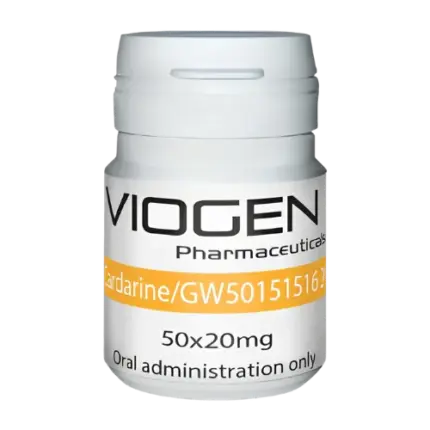
Cardarine (GW-501516) is often grouped with SARMs but is technically a PPARdelta agonist rather than a selective androgen receptor modulator. It was researched extensively by GlaxoSmithKline before development was discontinued following findings in long-term animal studies.
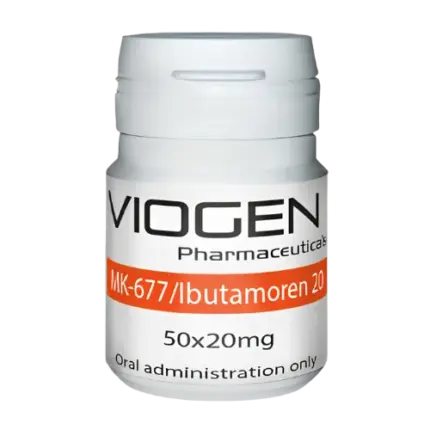
MK-677 (Ibutamoren) is similarly grouped with SARMs in common discussion but is technically a growth hormone secretagogue. It works by mimicking the hormone ghrelin and stimulating growth hormone release, rather than interacting with androgen receptors directly.
SARMs in the UK - Legal Status
SARMs occupy a specific legal position in the United Kingdom. They are not licensed medicines and have not been approved by the Medicines and Healthcare products Regulatory Agency (MHRA) for human use. They are not classified as controlled substances under the Misuse of Drugs Act, meaning they are legal to purchase and possess in the UK.
SARMs are widely available as research compounds, and their sale is not prohibited under current UK law provided they are not marketed with medicinal claims.
If you are taking any prescription medication or have an existing health condition, consulting a qualified healthcare professional before using any experimental compound is strongly advised.
SARMs vs Steroids - What Is the Difference?
This is one of the most common questions surrounding SARMs, and the distinction is worth understanding clearly.
Traditional anabolic steroids are synthetic derivatives of testosterone that bind to androgen receptors non-selectively. They affect muscle, bone, liver, skin, hair follicles, and the prostate simultaneously, which accounts for the broad side effect profile historically associated with their use including liver strain, cardiovascular stress, hormonal suppression and androgenic effects such as hair loss and acne.
SARMs were developed specifically to explore whether the anabolic effects on muscle and bone could be separated from the androgenic effects on other tissues. The degree to which individual SARMs achieve this selectivity varies between compounds and remains an active area of research.
Purity and Quality - What to Look For
The quality of SARMs available on the market varies considerably. Because they are sold as research compounds rather than regulated medicines, there is no mandatory quality standard applied universally across suppliers.
When purchasing SARMs, the most important factor to look for is independent third-party laboratory testing. A Certificate of Analysis (CoA) from an accredited laboratory should confirm the identity of the compound, its purity percentage, and the absence of contaminants. All products listed on this page come with third-party CoA documentation available to view before purchase.
The information on this page is provided for informational purposes only. SARMs are not approved medicines and are not intended to diagnose, treat, cure or prevent any condition. Always consult a qualified healthcare professional before using any experimental compound.