Beginner-Friendly Steroid Cycles: A Complete Guide
Starting your first cycle is a big decision, and it's one that deserves proper research rather than guesswork. This guide walks through the key concepts every beginner should understand before considering a cycle, from how cycles are structured to why post-cycle recovery matters just as much as the cycle itself.
What Does "Beginner-Friendly" Actually Mean?
A beginner-friendly approach isn't about a specific product or dose. It's about starting with the simplest possible structure so your body's response is easy to read.
Simpler cycles make it easier to identify what's working, what's causing side effects, and what your personal tolerance looks like, information you won't have on your first attempt.
Why Research Matters Before You Start
Every person responds differently based on genetics, existing hormone levels, liver and kidney function, cardiovascular health, and lifestyle factors like diet and training experience. This is why generic advice from forums or social media can be risky. What worked for one person says very little about what's appropriate for another.
Before starting anything, it's worth understanding:
- Baseline bloodwork: knowing your hormone levels, liver enzymes, cholesterol, and blood pressure before you start gives you something to compare against later.
- Your own health history: cardiovascular issues, liver conditions, and hormonal disorders all change the risk calculation.
- What you're actually trying to achieve: goals like body recomposition, strength, or cutting fat. All shape what a sensible approach looks like.
Understanding Cycle Structure
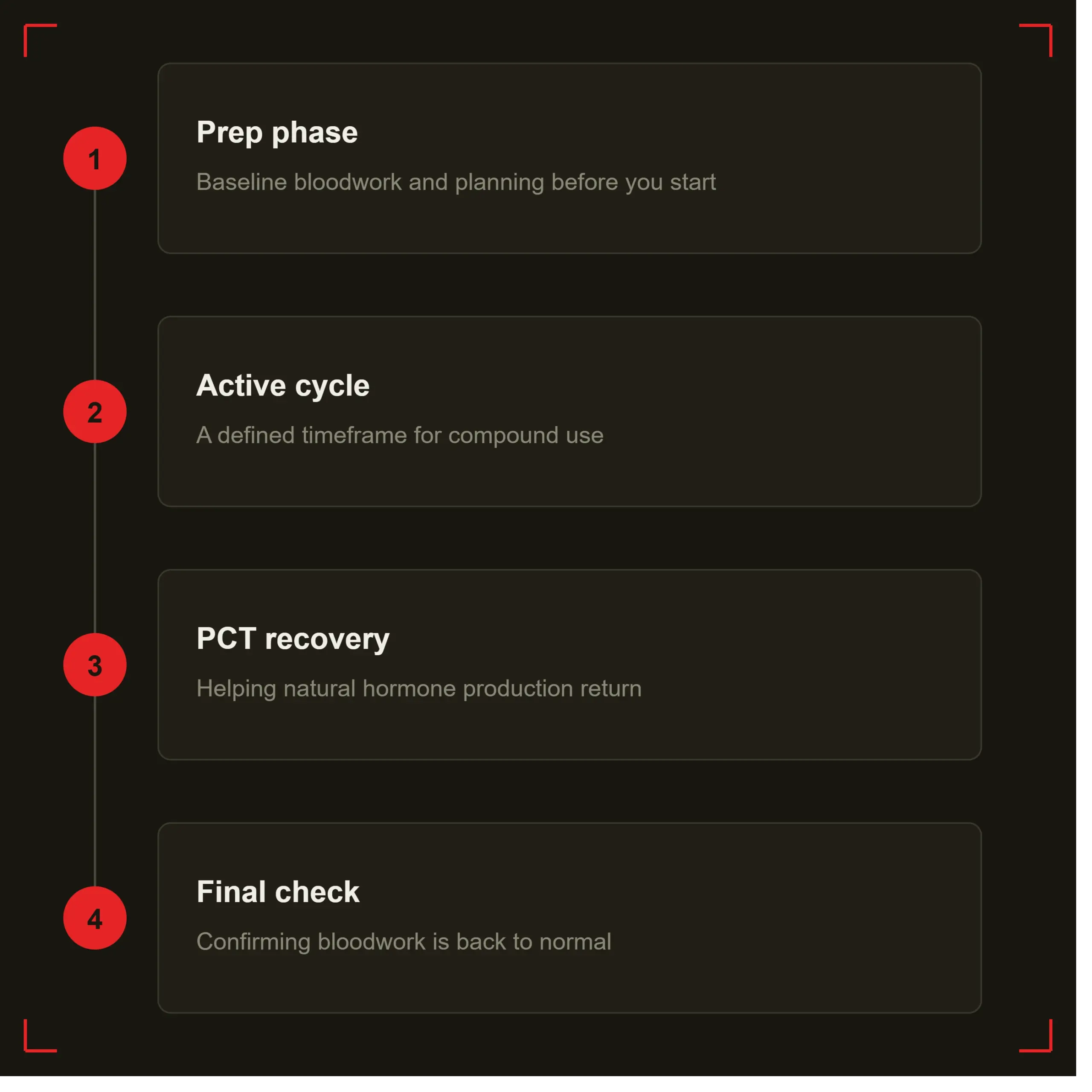
Most cycles share a similar overall shape, even though the specifics vary hugely by individual:
- Pre-cycle preparation: bloodwork, planning, and sourcing any support supplies you may need.
- The active cycle period: a defined timeframe during which compounds are used.
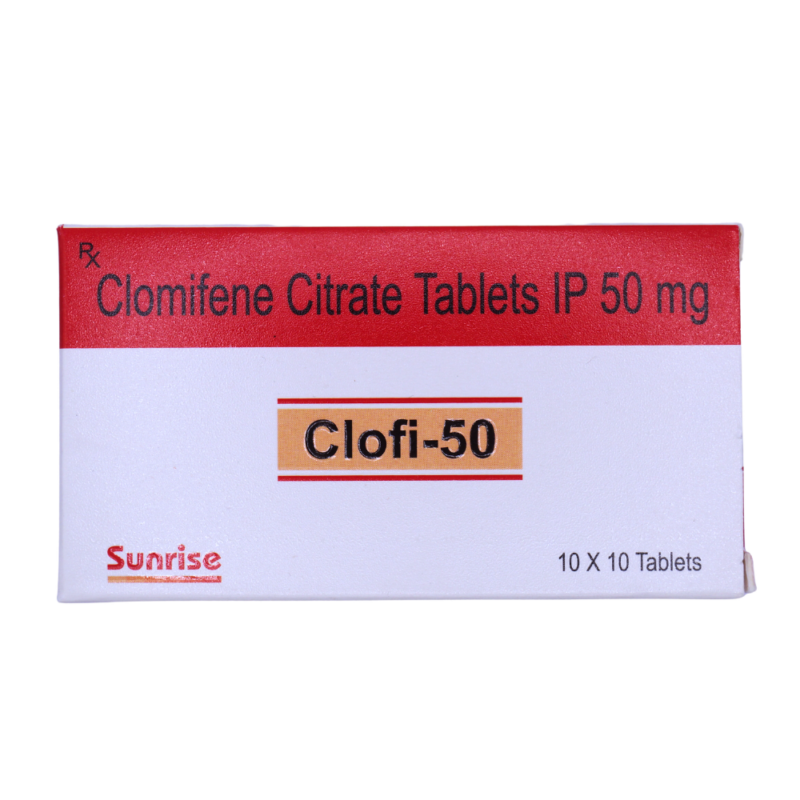
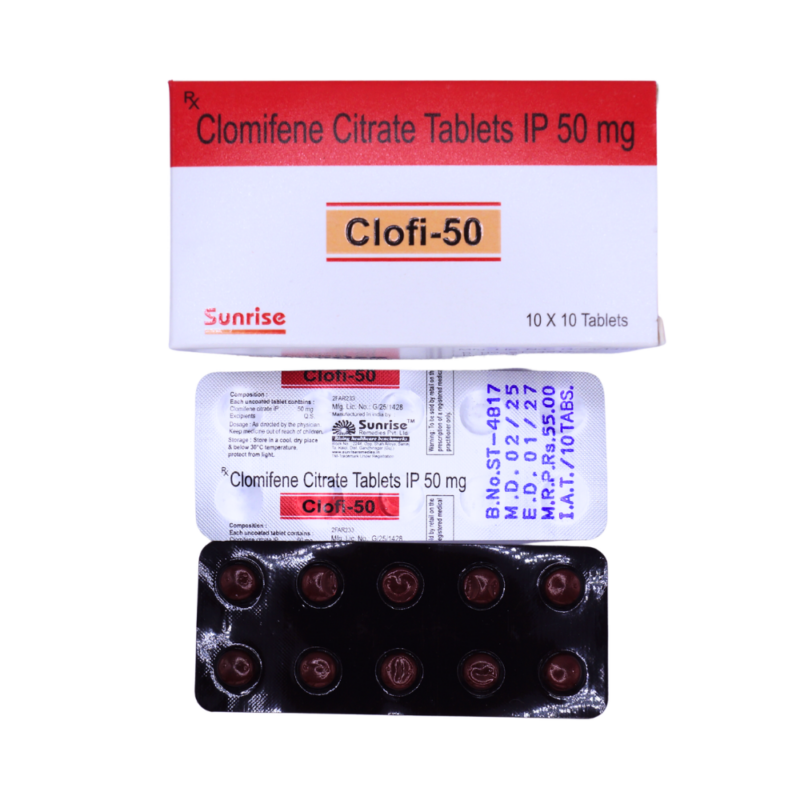
- Post-cycle recovery (PCT): a period focused on helping the body's natural hormone production return to normal.
- Post-PCT bloodwork: checking that hormone levels and organ markers have returned to a healthy baseline.
We won't get into specific compounds, timeframes, or dosing here, that's something to work through with proper individual research and, ideally, guidance from a knowledgeable medical professional. What matters at this stage is understanding why each phase exists.
Why Post-Cycle Recovery Isn't Optional
One of the most common beginner mistakes is treating PCT as an afterthought. Using anabolic compounds suppresses your body's natural testosterone production. Skipping or rushing recovery can lead to prolonged low testosterone, mood disturbances, and a harder time keeping any progress you made.
A proper recovery phase isn't just about "restarting" natural production, it's about giving your endocrine system the time and support it needs to recalibrate safely.
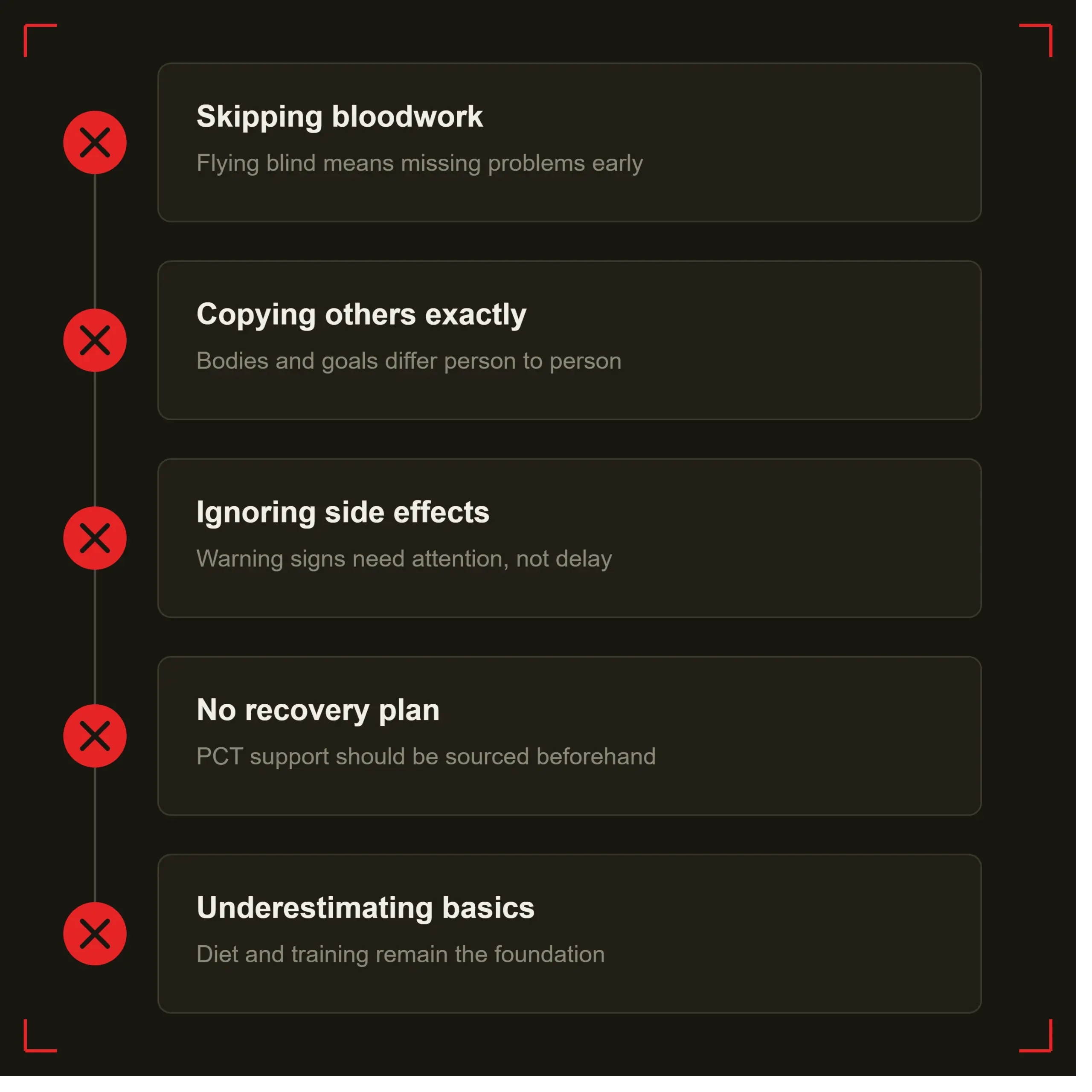
Common Beginner Mistakes
- Skipping bloodwork: flying blind means you won't catch problems until symptoms appear
- Copying someone else's approach exactly: body weight, health history, and goals differ from person to person
- Ignoring side effects: early warning signs (unusual fatigue, mood changes, blood pressure changes) shouldn't be brushed off
- No recovery plan in place before starting: recovery support should be sourced and understood before the cycle begins, not scrambled together afterward
- Underestimating the importance of diet and training: compounds don't replace the fundamentals; they support them
When to See a Doctor
Regular bloodwork should be non-negotiable, both before and after a cycle. If you experience unusual symptoms: chest pain, severe mood changes, jaundice, significant swelling, or vision changes seek medical attention immediately rather than waiting to see if it passes.
Frequently Asked Questions
Do I need bloodwork before my first cycle?
Yes. Baseline bloodwork gives you a clear picture of your hormone levels and organ function before you start, which makes it much easier to spot problems early and confirm recovery afterward.
Is post-cycle recovery really necessary?
Yes. Your body's natural hormone production is affected during a cycle, and a proper recovery phase helps restore that balance safely.
How do I know what's right for a beginner?
There's no universal answer. It depends on your health history, goals, and how your body responds. This is why individual research and, ideally, professional medical guidance matter more than generic advice.
This article is intended for informational purposes only and does not constitute medical advice. Always consult a qualified healthcare professional before making any decisions about hormone therapy.