RAD-140 Testolone: What It Is, Effects, Dosing and More

If you have spent any time researching SARMs, you have almost certainly come across RAD-140. It is one of the most searched and most discussed compounds in the SARM category, and for good reason. It delivers results that are hard to ignore, but like any compound worth taking seriously, it comes with things you need to understand before you use it.
This guide covers everything you need to know about RAD-140 Testolone, from what it actually is and how it works, through to dosing, cycle length, half life, side effects, PCT, and how it stacks up against similar compounds.
What Is RAD-140 Testolone?
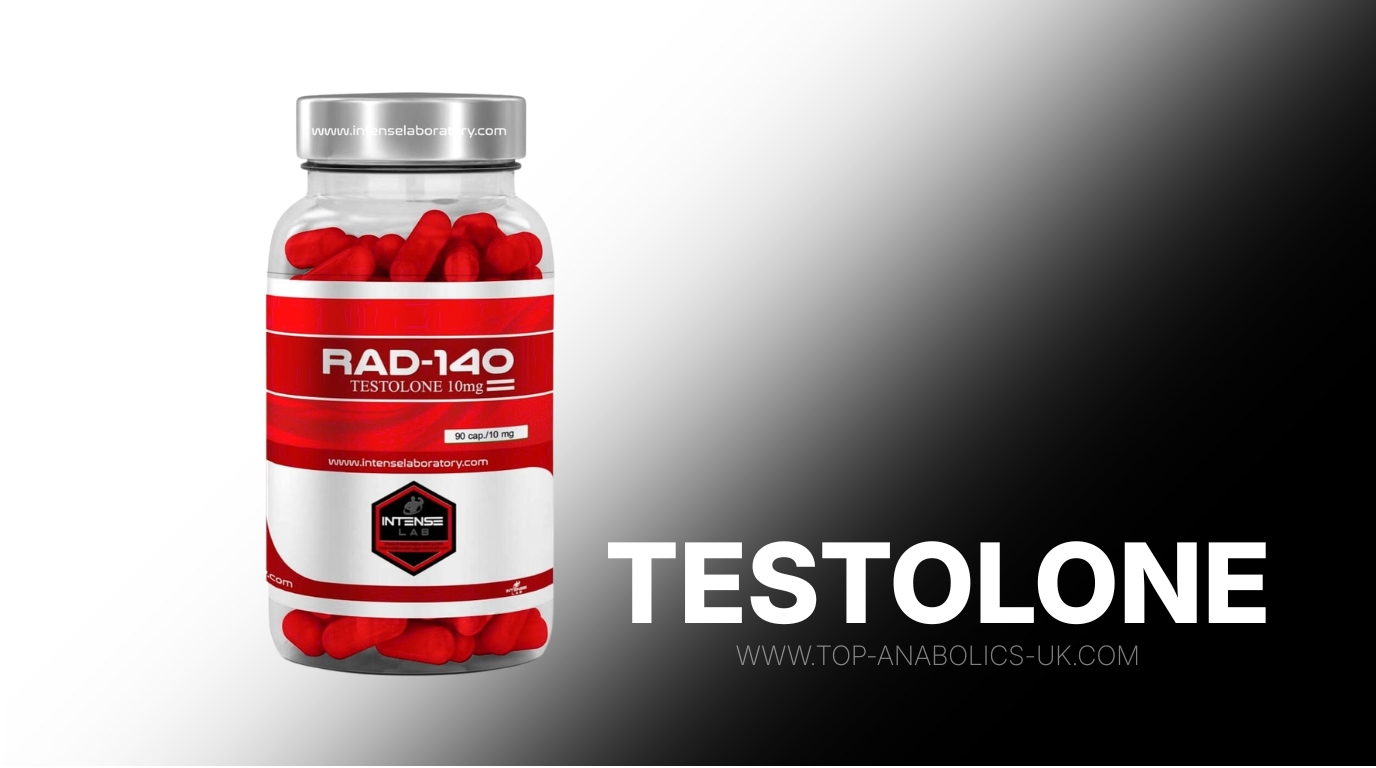
RAD-140, also known as Testolone, is a selective androgen receptor modulator, commonly referred to as a SARM. It was originally developed by a pharmaceutical company called Radius Health, which is where the "RAD" part of the name comes from.
Like all SARMs, RAD-140 is designed to selectively bind to androgen receptors in specific tissues, primarily muscle and bone, without the broad hormonal activity associated with traditional anabolic steroids. This selectivity is what makes SARMs appealing to many users. You get anabolic activity in the tissues you want to target, with less impact on other systems in the body.
RAD-140 is considered one of the most potent SARMs available. It has a high anabolic to androgenic ratio, which is why it is popular among those looking for significant muscle and strength gains.
How Does RAD-140 Work?
RAD-140 works by binding to androgen receptors in muscle and bone tissue. Once bound, it triggers the same downstream signaling that testosterone would, stimulating protein synthesis and promoting muscle growth. The key difference is that it does this without flooding every androgen receptor in the body the way exogenous testosterone does.
Anabolic to Androgenic Ratio
One of the most frequently cited figures around RAD-140 is its anabolic to androgenic ratio of approximately 90:1. To put that into context, testosterone sits at 100:100. What this means in practice is that RAD-140 provides anabolic activity approaching that of testosterone, while delivering a fraction of the androgenic activity. This is why it is considered a potent option without carrying the full androgenic risk profile of traditional steroids.
Selectivity and Tissue Targeting
The selectivity of RAD-140 is what separates it from older compounds. By primarily targeting muscle and bone receptors, it avoids many of the issues that come with broad hormonal stimulation. That said, it is not perfectly selective, and suppression of natural testosterone production does occur, which is something every user needs to account for.
RAD-140 Benefits
RAD-140 is used primarily by those looking to build muscle and increase strength, but the reported benefits go slightly further than that.
Muscle Growth
This is the primary reason most people use RAD-140. Users consistently report significant lean muscle gains over the course of a cycle, particularly when paired with a solid training programme and sufficient caloric intake. Gains are generally dry, meaning you are not carrying excess water alongside them.
Strength Increases
Strength gains tend to come quickly with RAD-140, often within the first two weeks of a cycle. Many users notice a meaningful increase in their working weights before the visual muscle changes become obvious.
Fat Loss
While RAD-140 is not primarily a cutting compound, the increase in lean muscle mass it produces naturally supports a higher metabolic rate. Some users run it during a cut to preserve muscle while in a caloric deficit, though other SARMs are often considered more suitable for that purpose.
Neuroprotective Properties
This is less commonly discussed but worth mentioning. Early research, primarily in animal models, has suggested that RAD-140 may have neuroprotective effects. This was actually part of the original research focus before the compound gained traction in the performance space. This area of research is still at an early stage and should not be treated as a confirmed benefit for humans.
RAD-140 Dosage and Cycle Length
Getting the dosage and cycle length right matters more with RAD-140 than with many other SARMs, simply because of how potent it is. Going too high too fast increases the risk of side effects without delivering proportionally better results.
Recommended Dosage
Most experienced users land somewhere between 10mg and 20mg per day. Beginners are strongly advised to start at the lower end, around 10mg, and assess how their body responds before considering any increase. Going beyond 20mg per day carries a meaningfully higher side effect risk and is generally not recommended.
A common breakdown looks like this:
- Beginner: 10mg per day
- Intermediate: 15mg per day
- Experienced: 20mg per day
Cycle Length
RAD-140 cycles typically run between 8 and 12 weeks. Shorter cycles of 6 to 8 weeks are sometimes used by beginners who want to minimise suppression and assess their response. Running beyond 12 weeks significantly increases the risk of deeper suppression and is not widely recommended without an experienced framework in place.
RAD-140 Half Life
The half life of RAD-140 is estimated at around 15 to 20 hours. This makes it suitable for once-daily dosing, which keeps administration straightforward and helps maintain stable blood plasma levels throughout the day. Some users prefer to split the dose, but there is no strong evidence that this offers a meaningful advantage.
RAD-140 Side Effects
RAD-140 is often marketed as a side-effect-free alternative to steroids. That is not accurate. It is generally considered to carry a lower risk profile than traditional anabolic steroids, but side effects are real and should be taken seriously.
Testosterone Suppression
This is the most significant and consistent side effect associated with RAD-140. Even at moderate doses, most users will experience some degree of natural testosterone suppression during a cycle. The degree varies from person to person, but it is significant enough that post-cycle therapy should be considered standard practice rather than optional.
Aggression and Mood Changes
Some users report increased aggression or irritability, particularly at higher doses. This is one of the more commonly noted androgenic effects and is worth monitoring, especially if it begins to affect relationships or daily functioning.
Hair Shedding
RAD-140 carries some androgenic activity, and for users who are predisposed to male pattern baldness, there is a risk of accelerated hair shedding. This is dose-dependent and varies considerably between individuals.
Elevated Liver Enzymes
Some users report increases in liver enzyme markers, though RAD-140 is not a methylated compound and is generally considered less hepatotoxic than oral anabolic steroids. Running a cycle alongside alcohol or other liver-stressing compounds increases this risk.
Cardiovascular Effects
Like many performance compounds, RAD-140 can negatively affect cholesterol levels, typically suppressing HDL while elevating LDL. Users with existing cardiovascular concerns should approach this compound with caution.
PCT After RAD-140
Post-cycle therapy is not optional with RAD-140. Given the degree of testosterone suppression it causes, running a proper PCT protocol helps restore natural hormone production and minimise the risk of a prolonged crash after the cycle ends.
When to Start PCT
Because of the half life of RAD-140, most users wait around 3 to 4 days after the last dose before beginning PCT. This allows the compound to clear sufficiently before introducing a selective estrogen receptor modulator.
Common PCT Options
Nolvadex (Tamoxifen) and Clomid (Clomiphene) are the most commonly used PCT compounds. Nolvadex is the more popular choice for SARM users and is typically run at 20 to 40mg per day for 4 to 6 weeks post-cycle. The appropriate protocol depends on how suppressed the individual is by the end of their cycle, which blood work can help determine.
RAD-140 vs Other SARMs
RAD-140 sits at the more potent end of the SARM spectrum. Understanding how it compares to other compounds helps you make a more informed decision about which is right for your goals.
RAD-140 vs LGD-4033
LGD-4033 (Ligandrol) is often the first comparison people make. Both are considered bulking SARMs, and both are among the most popular compounds in the category. RAD-140 is generally considered more stimulating in terms of strength gains and more likely to produce noticeable aggression. LGD-4033 tends to produce more water retention alongside its muscle gains. Suppression is significant with both, though many users report LGD-4033 being somewhat harsher in that regard.
RAD-140 vs Ostarine (MK-2866)
Ostarine is a much milder compound than RAD-140. It is frequently used by beginners or during cutting phases to preserve muscle. If you are comparing the two for outright muscle and strength gains, RAD-140 wins by a significant margin. If you are prioritising a compound with a lighter side effect profile or a gentler introduction to SARMs, Ostarine is the more common recommendation.
RAD-140 vs S23
S23 is often described as one of the most aggressive SARMs available, sitting above RAD-140 in terms of both potency and side effect risk. The two are occasionally stacked, but S23 carries a higher suppression risk and is generally considered a compound for more experienced users only.
RAD-140 Stacks
RAD-140 pairs well with a number of other compounds depending on the goal.
- For bulking: RAD-140 and LGD-4033 is a popular combination that aims to maximise lean mass gains. Both are suppressive, so PCT planning becomes especially important.
- For recomping: RAD-140 paired with Cardarine (GW-501516) is commonly used by those aiming to simultaneously build muscle and reduce body fat. Cardarine is not a SARM but is often grouped alongside them.
- For cutting: RAD-140 with Ostarine or Cardarine is used by those who want to preserve or build a small amount of muscle while in a deficit.
Stacking always increases complexity and risk. More compounds mean more variables and a greater demand on your body's recovery systems.
This article is intended for informational purposes only and does not constitute medical advice. Always consult a qualified healthcare professional before making any decisions about hormone therapy.